Avian infectious laryngotracheitis: challenges and vaccination strategies

Abstract
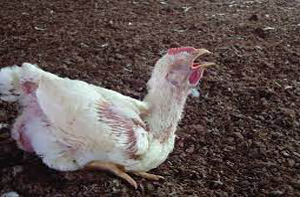
Infectious laryngotracheitis (ITL) is a highly contagious acute respiratory disease of chickens, pheasants and peacocks. The responsible virus has also been isolated from guinea fowl. Two clinical forms of the disease are described: a mild form, including conjunctivitis, sinusitis, closed eyes, nasal discharge and mucoidtracheitis, while the severe form is characterized by panting, coughing, respiratory depression, nasal discharge, conjunctivitis and bloody expectorate. Trachea obstruction by bloody filaments is a very common lesion. The disease morbidity and mortality rates are variable depending on the virulence of the circulating strains, the viral load and co-infections with other respiratory pathogens. Since its description in 1925, the disease has been reported in several countries around the world, especially in areas of intensive poultry production. In Morocco, ITL was firstly diagnosed in 2003. Therefore, two types of vaccines were introduced in order to control the disease, namely live attenuated chicken embryonic vaccines (PDG) and vaccines produced in cell culture (TCO) in 2004 and 2005 respectively. Vaccination was only authorized for breeding and laying hens in the affected areas. At the end of 2018, a recombinant viral vector vaccine rFPV-LT was introduced for the first time in Morocco. In this study, the main characteristics of ITL and its pathogenicity as well as the vaccination strategies deployed in Morocco and elsewhere are reviewed. In addition, the advantages, the limits of the different types of vaccines as well as the role of biosecurity in the control of the disease were highlighted and discussed.
Keywords: Laryngotracheitis, vaccination, PDG, TCO, rHVT-LT, rFPV-LT