Biological and pharmacological properties of Kigelia africana (Lam.) Benth in traditional human and veterinary medicine

Abstract
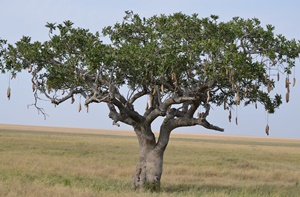
Kigelia africana, or sausage tree, is a plant widely used in the management of human and animal diseases for a very long time. The objective of this study is to synthesize the knowledge on its biological and pharmacological properties. To achieve this, specific keywords were used to explore scientific databases such as PubMed, Google Scholar, Researchgate, Scorpus and Springer. The data obtained show that the different parts (barks, leaves, flowers, stems, fruits, roots) are used for the treatment of skin, fungal, cancerous, gynecological, malarial, diabetic, pneumonic, psoriasis, eczema, boils, leprosy, syphilis, constipation, tapeworm infestation, jaundice, ulcers and wounds. The pharmacological activities of the different extracts as well as the compounds isolated from the plant are reported as analgesic, antipyretic, anti-inflammatory, hepatoprotective, antidiabetic, antibacterial, antifungal, nematicidal, antiamoebic, antiviral, antitrypanosomal, anticonvulsant, nutritive, antimalarial, antidiarrheal, anticancer, antioxidant, aphrodisiac, cosmetic and healing. Phytochemical analyses have revealed the presence of a wide range of secondary metabolites (flavonoid, quinones, phenolic compounds, coumarins, alkanes, unsaturated fatty acids). The different potentialities of this plant open the prospect of evaluating its effectiveness in the control of parasitic blood diseases of livestock, especially trypanosomiasis.
Keywords: Biological properties, Kigelia africana, Traditional medicine, Pharmacological activities, Phytochemical analysis