Current knowledge and conservation perspectives of Detarium senegalense, a vulnerable species in Africa

Abstract
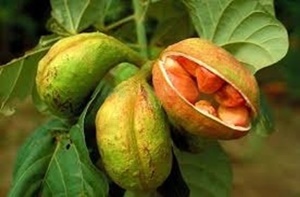
Detarium senegalense is a wild fruit tree widely used in Africa. The species is mainly used for food, traditional medicine and timber. The aim of this review is to synthesize existing knowledge, identify gaps in this knowledge on D. senegalense and suggest prospects for future research. Scientific documents were downloaded from databases such as Web of science, Scopus, Oare, Dimensions and Google Scholar. After various filtering operations, 32 articles were selected as eligible. In addition to these online documents, 8 other relevant scientific documents, including 5 thesis and 5 books, were consulted in libraries. A total of 42 documents were used for this review. All documents covered the period from 1932 to 2021. The results showed that the main topics covered on the species are phytochemistry, biological activities and ethnobotany. The fruit pulp is rich in vitamin C and is used in the preparation of many dishes. The almonds are traded internationally. Stems, leaves, bark and roots are used to treat several ailments, including stomach aches, dysentery and dermatitis. This review confirmed the overexploitation of D. senegalense individuals. In this context, future research should focus on its reproductive biology in order to promote its sustainable use.
Keywords: D. senegalense, taxonomy, ecology, ethnobotany, threats