Ethno-botanical, chemical study and in vitro glycophage activity of Synsepalum dulcificum and S. stipulatum in DR Congo

Abstract
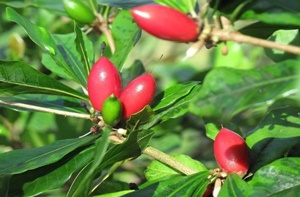
This study was carried ou within the scope of valorizing non-timber forest products in the Democratic Republic of Congo. It focuses on understanding the importance, biochemical properties, and in vitro glycophagic activity of fruits from two Synsepalum species, namely S. dulcificum and S. stipulatum, originating from the Bikoro Territory in the Equateur Province. The plant material consists of the fruit pulps from both species. Ethnobotanical surveys, mineral analysis, quantification of primary and secondary metabolites and glycophagic activity assessments were conducted on aqueous extracts from both species. The results showed that these two plants hold significant dietary and medicinal importance. The fruits are primarily used as sweeteners in food, while the roots bark, and to a lesser extent the leaves, are employed in managing hemorrhoids, dental caries, and sexual weaknesses. Both plants contain major mineral elements such as sodium, magnesium, calcium, iron, and phosphorus. The fruit pulps of both species have nearly identical compositions of primary metabolites, but rich in polyphenols, alkaloids, flavonoids, quinones, anthocyanins, condensed tannins and saponins, with glycophagic effects. These findings are promising as they underscore the nutritional value of these two plant species.
Keywords: Medicinal plant, Synsepalum, diabetes, nutritherapy, DR Congo