Sighting tourism and forest elephants (Loxodonta cyclotis) at the Nyonié Camp, Gabon

Abstract
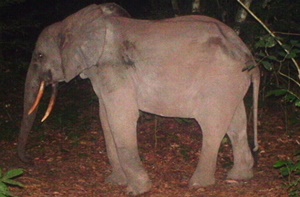
Central African ecosystems are home to a rich biodiversity, including the endangered forest elephant (Loxodonta cyclotis). Ecotourism is a growing industry in the region, but it can have a negative impact on elephant populations. This study investigates the relationship between ecotourism and forest elephants at the "Campement de Nyonié" in Gabon, a tourist site located outside of protected areas. Data was collected through direct observations of elephants on foot and in off-road vehicle. Results showed that elephants are present in a large and continuous area around the camp. Their activity is concentrated in the south, near the Wonga-Wongué Presidential Reserve, and in the west, near the coast. Elephants live in matriarchal groups, led by older females. The results suggest that tourist activity at the "Campement de Nyonié" does not drive elephants away. On the contrary, it could even contribute to their conservation by raising public awareness and generating revenue for environmental protection. The study highlights the importance of cooperation between tourism stakeholders and authorities to balance biodiversity conservation and economic development.
Keywords: Sighting tourism, Loxodonta cyclotis, spatial distribution, social structuring, Campement de Nyonié