Wild cherry (Prunus avium L.), a multi-use forest species

Abstract
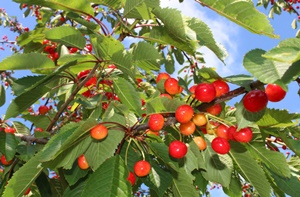
Prunus avium (Rosaceae) is an important component of biodiversity in forest ecosystems because its fruits are eaten by many birds and it blooms early, which adds to its aesthetic value. It is a multi-purpose tree found in the forests of northwestern Tunisia. Local populations use this species as rootstock for cherry and wood for cabinetmaking. Natural stands, which have been steadily declining for decades, are under threat from a variety of anthropogenic pressures that are becoming increasingly intense, reducing the species' natural regeneration capacity. The study of its populations is necessary to have a good understanding of this species' ecological habitat in order to determine the conditions under which it develops and put in place appropriate management rules. Prunus avium has an aggregative spatial distribution. Some soil-related factors influence its regeneration. Prunus avium prefers loam-clay soils that are high in nitrogen and have a low C/N ratio. He prefers acidic pH soils (4.3 to 6.7). According to the results, this species is relatively resistant to cold (Tmin = 3°C) but extremely sensitive to summer drought (Tmax = 24°C). Prunus avium is rarely found below 150 m in the north-west of Tunisia, but it is common in riparian areas between 180 and 620 m, with a maximum around 550 m. According to the findings, this species prefers low (0-5%) and medium (10-15%) slopes. The heartwood of the cherry tree ranges in color from light honey to reddish brown to orange. This wood is intended for "honorable" jobs like interior carpentry and cabinetmaking. Our findings allow us to make relative recommendations for the management of Prunus avium through the production of cherry seedlings using the cutting root segment technique. As a result, planting this species at the most advantageous stations for wood production.
Keywords: Prunus avium, birch wood, northwest Tunisia, ecological habitat