Ethno-pharmacological survey on the traditional use of rocket (Eruca Sativa) in the Central-West Tunisia
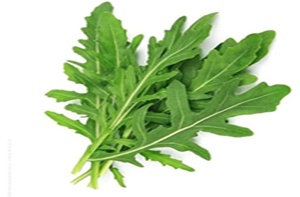

Abstract
Ethno-pharmacology is an interdisciplinary scientific discipline that studies traditional knowledge related to the use of medicinal plants and other natural substances in the treatment of diseases. It combines anthropological, biological, and chemical approaches to document, understand, and enhance traditional knowledge while exploring its therapeutic potential. As part of this study, an ethno-pharmacological survey was conducted in the Central-West region of Tunisia to document the traditional use of rocket (Eruca sativa) and to examine Tunisians’ knowledge regarding its use for health and disease management. A survey form was prepared with two sections, the first focused on the respondent's profile (age, gender, educational level), while the second was dedicated to the identification and use of the selected plant (parts used, diseases treated, preparation methods, and modes of administration). The data obtained showed that rocket is used as a therapeutic remedy for the treatment of various pathologies, primarily reproductive disorders (44.2%). The survey also showed that, in terms of preparation methods, respondents predominantly consume rocket as a salad (65.9%), followed by infusions and decoctions (12.1% and 11.1%, respectively). The most commonly used part of the plant is the leaf (84.7%), while the primary mode of administration is oral (87.4%). In conclusion, the information obtained from the inhabitants of the Kasserine region regarding this medicinal and aromatic plant is valuable for potential therapeutic innovation. It could serve as a database for future pharmacological and experimental evaluations to explore the curative potential of this plant and to identify new perspectives for the development of plant-based treatments.
Keywords: Ethno-pharmacology, Traditional medicine, Rocket, Survey, Tunisia