Urban and suburban agriculture in the city of Lomé and its suburbs

Abstract
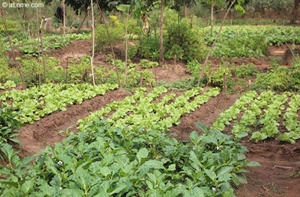
Urban and suburban agriculture contributes to food and farmers’ incomes. The present study mapped the agrarian areas, characterized people involved in the urban and the suburban agriculture, cultural practices, and listed cultivated species, and assessed the socio-economic importance in urban and suburban agriculture in the city of Lomé. Urban agricultural land use map was generated from Google Earth images. Information about the social, the economy, the cultural practices, crops, and dynamics of urban and suburban agriculture were gathered based on 89 agricultural producers. The indigenous population, landowners, namely married people, are the most involved in this agriculture. A total of 34 main crop species were identified. Maize (57.7%) and the cassava (39.0%) are the commonly grown crops.
Keywords: urban agriculture, cartography, crops, farmers, Lomé, Togo