Use of plant extracts against post-harvest fruit diseases

Abstract
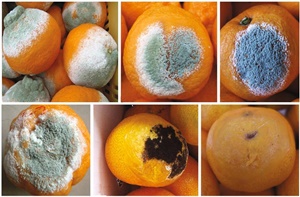
Currently, the agricultural sector has become an intensive production system, which poses many environmental and health problems and led to the development of pathogens resistant strains to chemical molecules used. To reduce the risk of pesticides secondary effects, there is the emergence of alterntaive control methods. These techniques meet several constraints in the orchard for example: humidity, excessive temperatures and ultra violet radiations. Therefore the use of biopesticides in storage conditions can be an effective alternative to fight against postharvest fruit diseases. In Morocco, problems with fruit decays in storage conditions are a major constraint for the development of fruit sectors such as the citrus fruit sector which is threatened by Penicillium rots (Penicillium italicum and P. digitatum) and the apple sector threatened by Penicillium and Botrytis rots. This situation encourages citrus growers to intensively use synthetic pesticides (benzimidazole, imazalil, and thiabendazole). This review aims to evaluate the antifungal potential of pesticidal plants as an alternative control strategy to the use of synthetic pesticides and the possibility of using them in combination with other eco-friendly control methods. It shows that pesticide-based plants are a promising alternative. Indeed, various species of pesticidal plants can be used as plant extracts for the control of post-harvest fruit diseases.
Keywords: Penicillium italicum, Penicillium digitatum, Botrytis, Plant extracts, post-harvest, fruits