Alternaria diseases of citrus: Diagnosis and control methods

Abstract
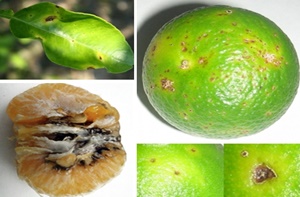
Alternaria species causes brown spot disease and black rot in citrus fruits and are mainly due to Alternaria alternata f.sp citri, A. citri and Alternaria alternata. These pathogens are responsible for important damage to agricultural products both in the field and in post-harvest. They attack leaves, stems and fruits. Alternaria species are necrotrophs. They kill plant cells by producing toxins. Molecular characterization by conventional and real-time PCR have been shown to be useful in identifying Alternaria species. To control effectively the brown spot of citrus, prophylactic measures have been adopted. Thus, several studies have reported the use of resistant cultivars and certain isolates of Trichoderma harzianum, Bacillus subtilis, and certain plant extracts as biocontrol agents in the management of brown spot in citrus. However, the control of this disease is still largely dependent on the applications of fungicides based on difenoconazole, mancozeb and copper compounds. Imazalil and Pyrimethanil are the only products registered against Alternaria sp. on citrus in Morocco.
Keywords: Alternaria alternata, Alternaria citri, Citrus, black rot, brown spot, molecular characterization, biocontrol, fungicides